April 27, 2026
Buying a home represents a massive financial commitment and an emotional milestone for most individuals. While buyers often focus on aesthetic appeal or structural integrity, they frequently overlook the hidden biological threats within the walls. Addressing pest control early prevents future headaches and protects the long-term value of your investment. Taking the time to investigate these hidden factors helps maintain the quality of the living space from the very first day of ownership.
Analyzing the Foundation for Silent Destroyers
The structural integrity of a new home depends heavily on the condition of its wooden frame and foundation. Termites and carpenter ants can compromise the safety of a building without leaving obvious external signs for the untrained eye to spot. Professional inspections identify these risks before the closing paperwork is finalized. These wood-destroying organisms operate around the clock to degrade the core components of a residential structure.
Subterranean pests often enter through tiny cracks in the concrete or via wood-to-ground contact points. These vulnerabilities are common in older properties where settling has occurred over several decades. Identifying these entry points early allows a buyer to negotiate repairs or treatment plans as a condition of the sale. Detecting these breaches early prevents minor gaps from becoming major gateways for invasive colonies.
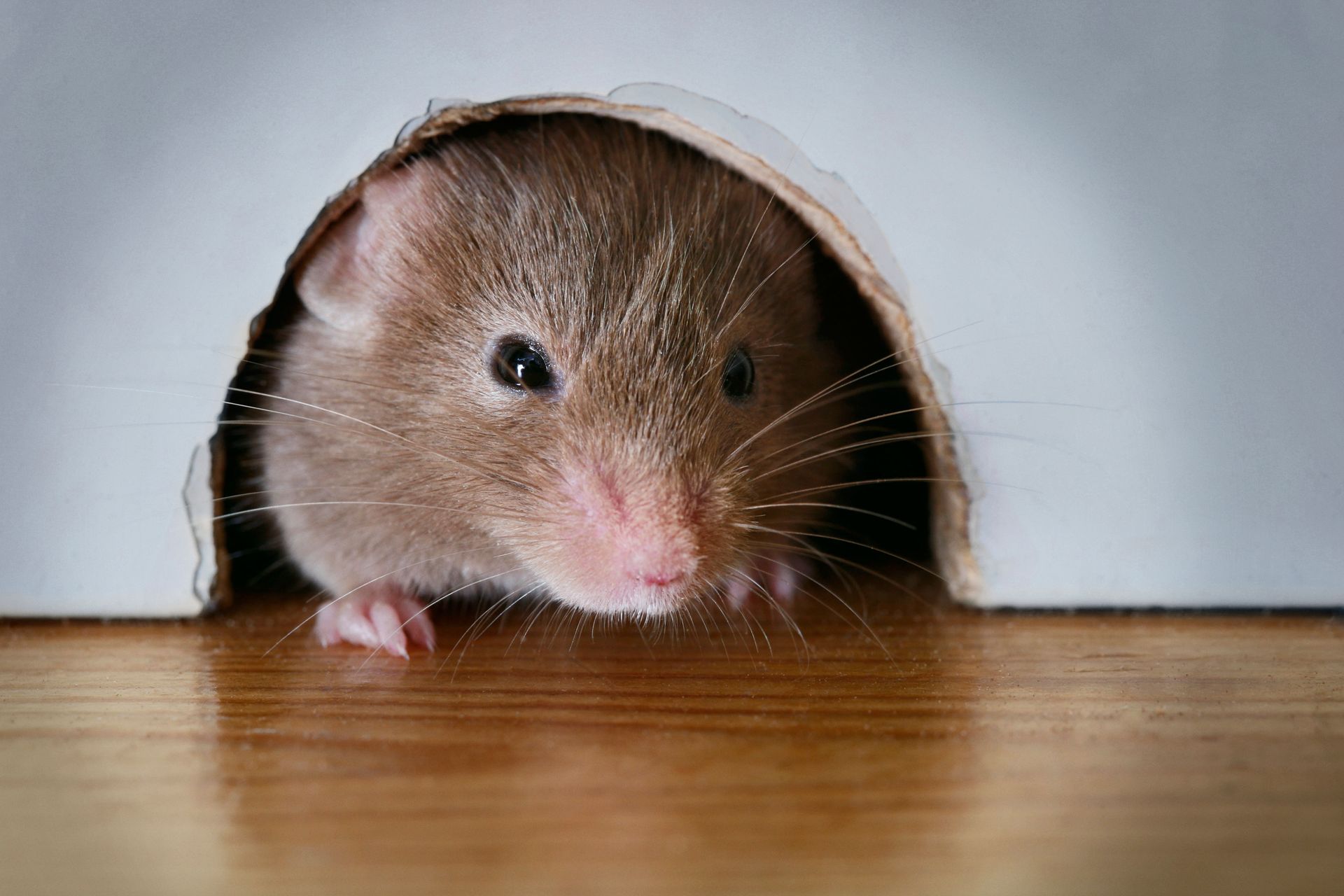
According to Worldmetrics, it's estimated that rodents cause $20 billion in property damage yearly. This staggering figure highlights why a thorough review of the crawlspace and attic is mandatory. Chewed wiring and damaged insulation are clear indicators that a property requires professional pest control intervention to remain viable and safe for occupancy. High repair costs associated with gnawed electrical lines make this a top priority for any savvy real estate investor.
Assessing the Perimeter for Potential Breaches
A property’s exterior serves as the first line of defense against invasive species that migrate from nearby vegetation or neighboring structures. Overhanging branches and clogged gutters provide easy access points for pests seeking a warm environment. Evaluating the landscaping helps buyers understand the environmental pressures a specific lot might face throughout the changing seasons. Proper drainage and plant placement play a significant role in reducing the overall attractiveness of the yard to local wildlife.
Gaps around utility pipes and poorly sealed windows serve as invitations for unwelcome guests to enter the living space. During a walkthrough, observant buyers look for signs of droppings or nesting materials in shadowed corners of the garage or shed. These minor clues often point toward a larger, more systemic issue that needs immediate attention from experts. Ignoring these external warning signs frequently leads to internal complications shortly after the move-in date.
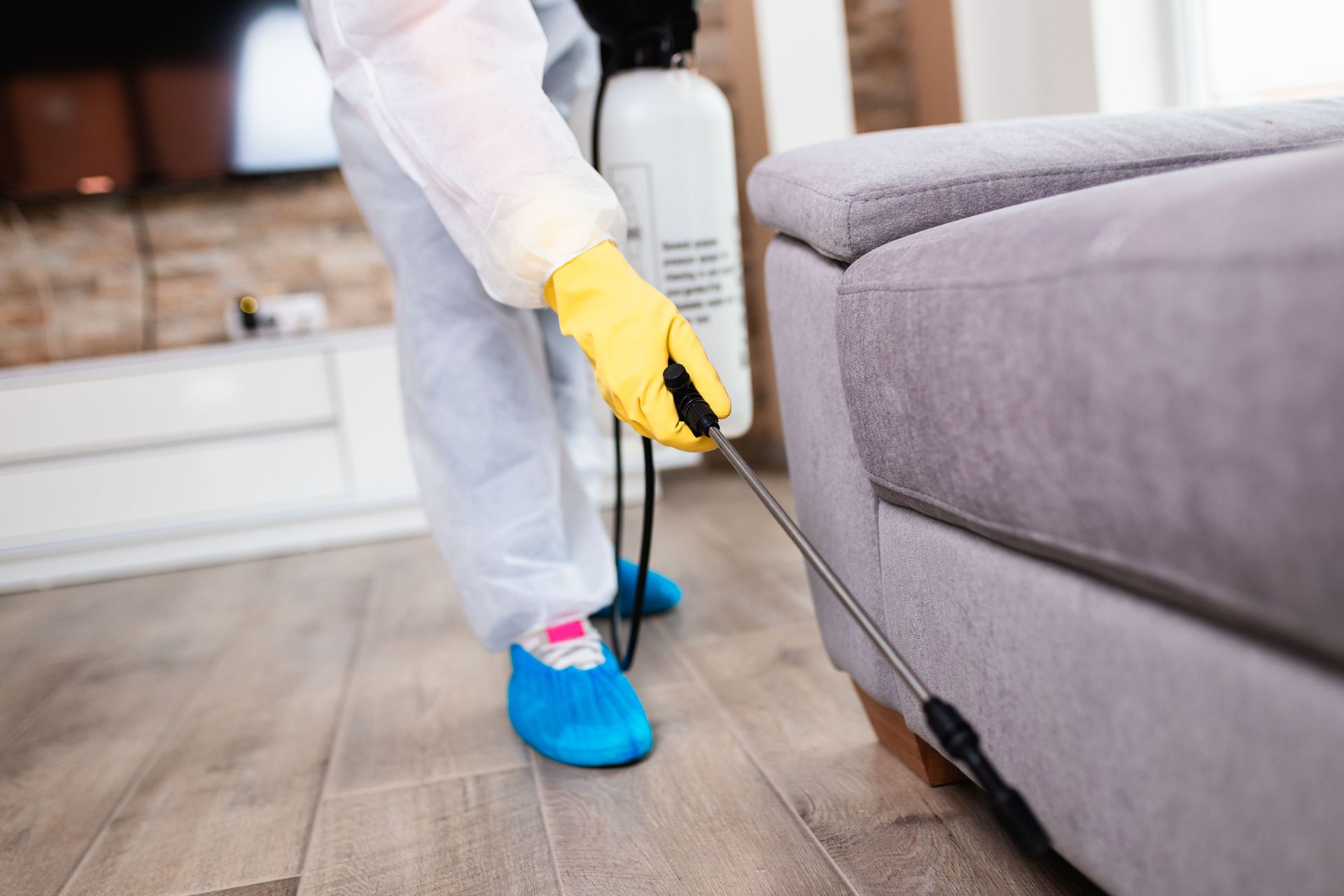
Integrating a comprehensive plan for pest control into the initial move-in process minimizes the risk of a localized problem becoming a full-blown infestation. Since many pests are nocturnal, their presence is rarely obvious during a standard afternoon showing. Professional assessments provide the clarity needed to make an informed decision regarding the long-term health of the exterior envelope. Scheduling an evaluation before the furniture arrives allows for more thorough coverage of the entire perimeter.
Investigating the Interior for Hidden Hazards
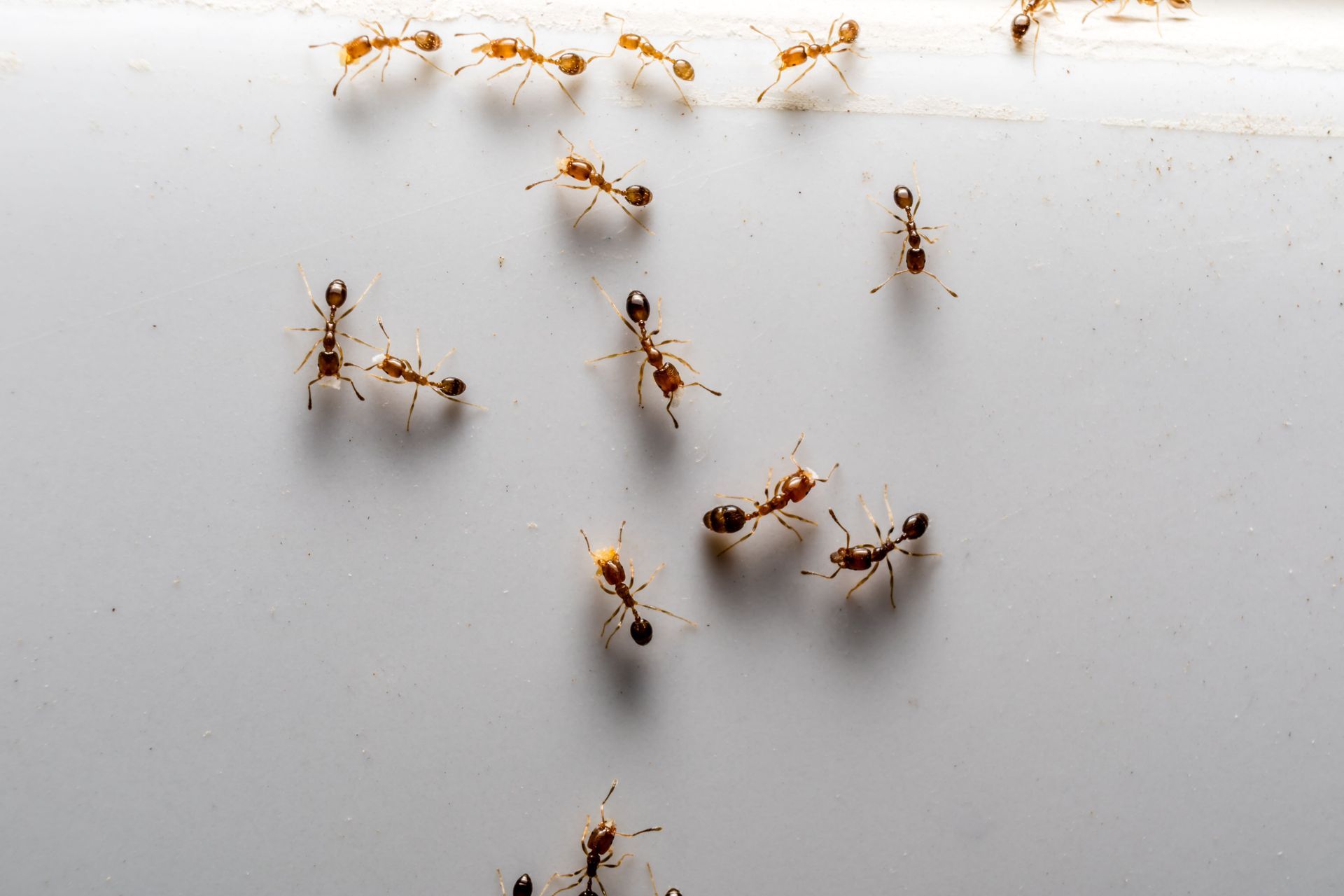
The interior of a home provides numerous hiding spots behind cabinets, under appliances, and within wall voids. Cockroaches and silverfish thrive in damp environments like kitchens and bathrooms, often multiplying rapidly before a homeowner notices a single insect. Checking for water leaks and moisture buildup is a critical step in the pre-purchase evaluation. Even a small drip behind a sink can sustain a large population of insects for months at a time.
Bed bugs have become an increasing concern in high-turnover real estate markets and urban centers. These resilient hitchhikers can hide in floorboards or behind electrical outlets, waiting for a new host to arrive. A clean-looking interior does not always mean a pest-free interior, making a specialized deep check essential for peace of mind. These insects are notoriously difficult to spot without moving baseboards or checking deep within electrical fixtures.
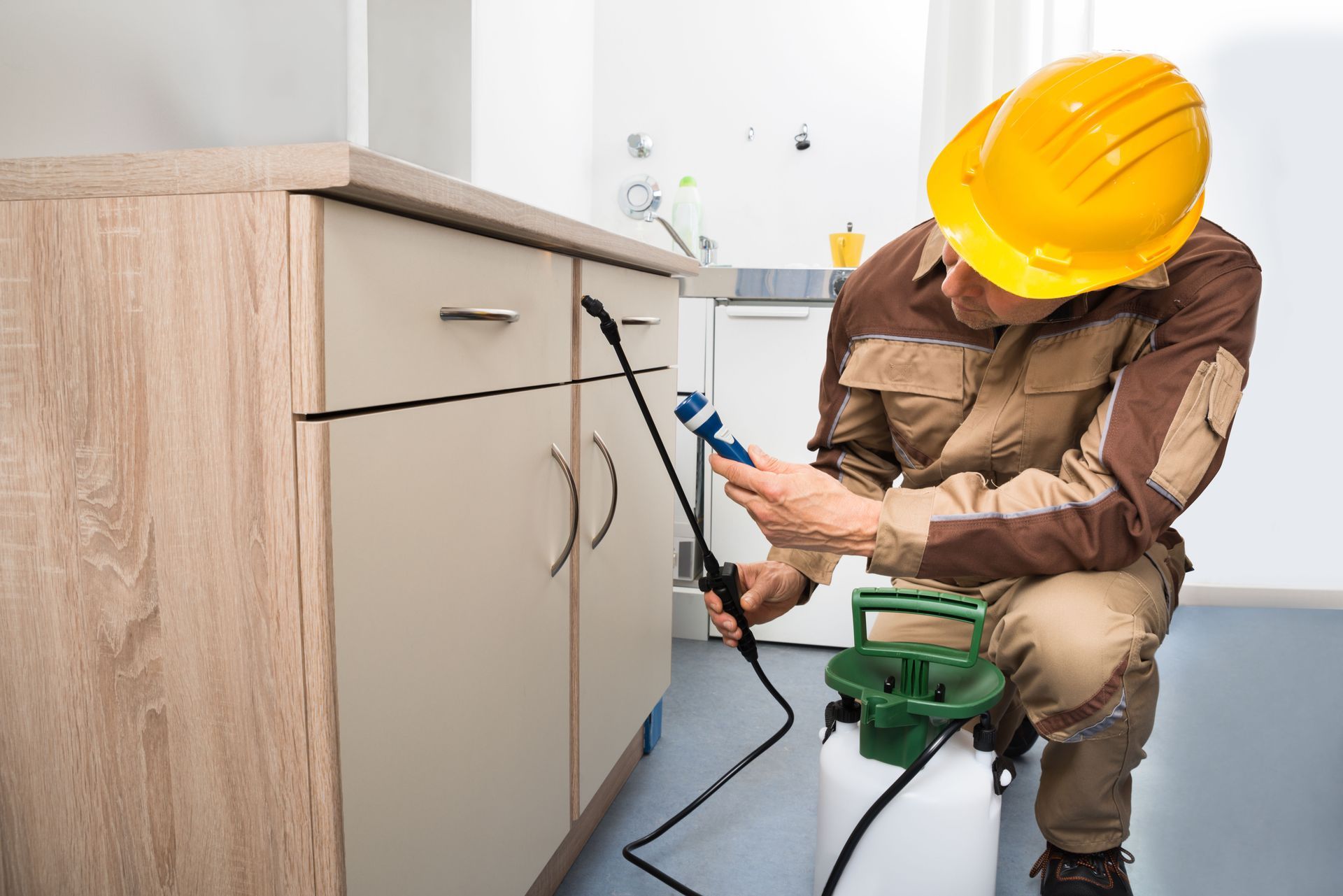
Securing a clearance report regarding pest control status offers a layer of protection against unexpected expenses after the move. Modern construction materials, while durable, are not immune to the persistent efforts of determined insects and small mammals. Documenting the current state of the interior verifies that the buyer starts their homeownership journey on a clean slate. This official record becomes a valuable part of the home's permanent maintenance file for future reference.
Evaluating the Attic for Airborne Intruders
Attics are frequently ignored during casual home tours, yet they harbor some of the most destructive and health-hazardous pests. Birds, bats, and squirrels find refuge in these quiet, insulated spaces, often causing extensive damage to ventilation systems and electrical components. The cost of replacing soiled insulation can be high if the problem is left unaddressed. Many buyers forget that the space directly above their heads requires as much scrutiny as the basement.
Vents and eaves must be checked for proper screening to prevent future entries by wildlife. Pests in the attic often introduce secondary issues, such as mites or fleas, which can migrate down into the primary living quarters. A professional eye can distinguish between an old, abandoned nest and a currently active colony requiring mitigation. Identifying these points of failure helps keep the upper regions of the home sealed against seasonal invaders.
Maintaining a rigorous standard for pest control in the upper levels of a home preserves the air quality for all residents. Droppings and dander from hidden animals often circulate through the HVAC system, potentially triggering allergies or respiratory issues. Understanding the history of the attic helps a buyer gauge the overall maintenance level of the entire building. A neglected attic often mirrors a broader pattern of deferred maintenance throughout the rest of the property.
Reviewing the History for Recurring Issues
Every property has a history, and some locations are naturally more prone to specific biological challenges due to climate or geography. Researching previous treatments or recurring issues provides a roadmap for what to expect in the coming years. Sellers should provide disclosures regarding any significant infestations that occurred during their period of ownership. Reviewing these documents helps clarify if the home has a chronic vulnerability to specific local species.
Persistent issues with wood-boring beetles or recurring rodent problems suggest that the property may have underlying moisture or sealing defects. These patterns indicate that the home requires a consistent strategy for pest control to remain in top condition. Ignoring a property's past often leads to repeating the same expensive mistakes once the title transfers. Consistent historical data allows a new owner to anticipate and mitigate risks before they escalate.
Verifying that all previous work was performed by licensed professionals helps confirm that the methods used were effective and safe. Documentation of past services serves as a valuable asset during the appraisal and inspection phases of the real estate transaction. A clear record of proactive management reflects a well-cared-for home that is ready for its next chapter. Homeowners who keep detailed service logs demonstrate a commitment to preserving the building's structural integrity.
Finding a home involves more than just picking a floor plan or a neighborhood. It requires a diligent investigation into the biological factors that impact property value and resident comfort. Prioritizing pest control during the acquisition phase saves time and money while safeguarding your future. A proactive approach creates a healthier living environment for years to come. Checking these details now prevents unwelcome surprises from ruining the joy of a new home. Visit Pesky Critters, Inc today to schedule a comprehensive evaluation and keep your new real estate investment free from unwanted guests.