September 28, 2026
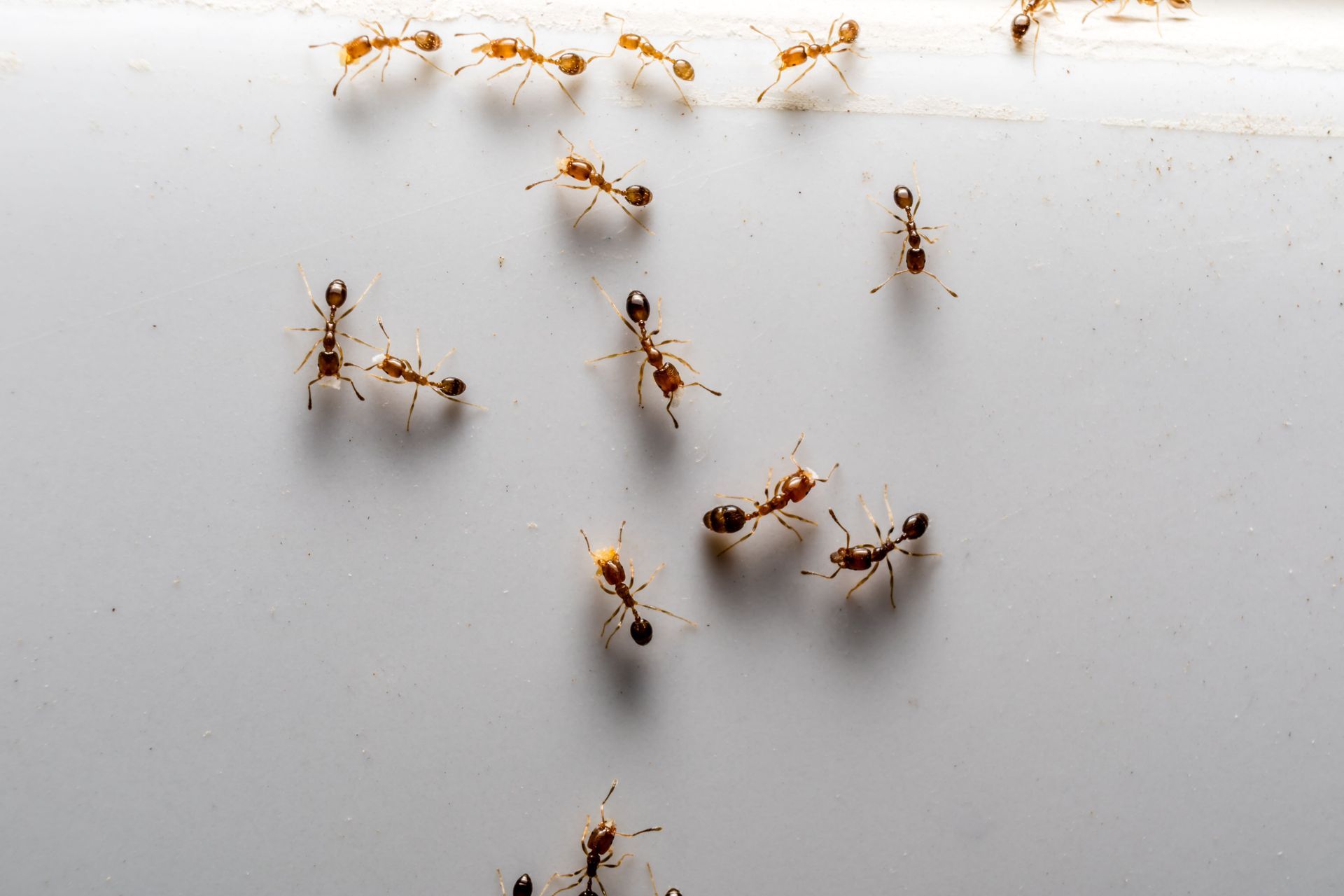
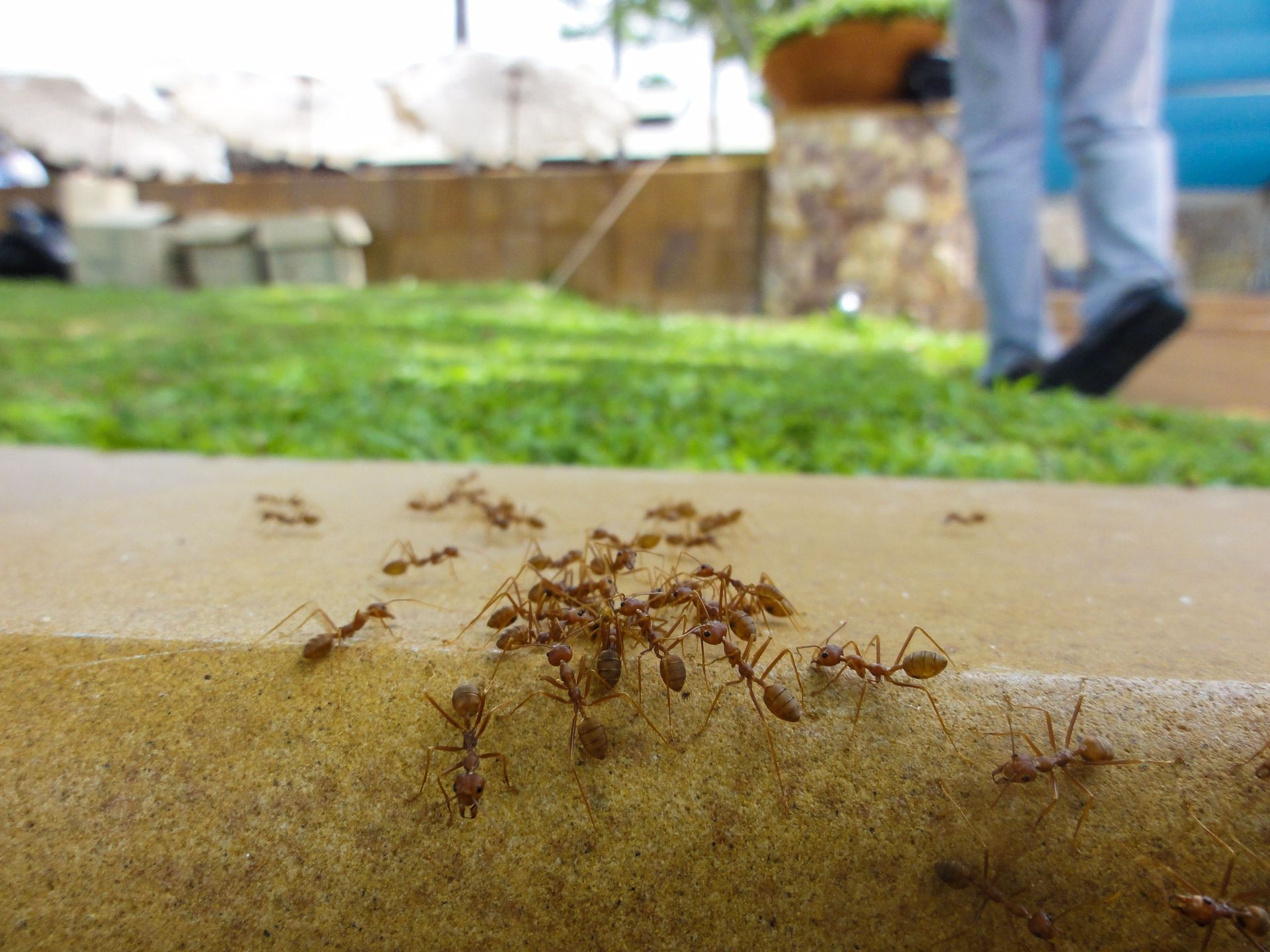
It often happens overnight. You go to sleep in a clean home, only to walk into the kitchen the next morning and find a marching trail of tiny uninvited guests stretching across your countertops and baseboards. When these social insects invade a living space, they do so with startling speed and sheer numbers, turning what seems like a minor nuisance into a domestic crisis in the blink of an eye. Homeowners frequently react to these sudden infestations with immediate panic, rushing to the local hardware store for generic chemical sprays or setting up makeshift bait traps, hoping for a quick fix.
However, these reactive, over-the-counter measures rarely address the root of the problem. They merely scrape the surface, killing the workers you see while leaving the hidden queen entirely unharmed. The secret to maintaining a genuinely pest-free home lies not in scrambling to fight off an active invasion, but in preventing the colony from breaching your structural perimeter in the first place. This proactive, preventative approach is the core philosophy behind seasonal ant control. By strategically treating your property at specific intervals throughout the year, you intercept these resilient insects before they establish a permanent foothold inside your living spaces.
Understanding the Seasonal Biology of Colonies
Ants are fascinating, highly sensitive creatures that are deeply connected to environmental changes. As ectothermic insects, their body temperatures, metabolic rates, and overall activity levels are dictated entirely by the surrounding climate and weather patterns. This fundamental biological trait means that their daily behaviors, foraging patterns, and vital reproductive cycles shift dramatically as the seasons change throughout the year.
In the wild outdoors, these insects serve crucial ecological roles, actively aerating dense soil and rapidly decomposing dead organic matter. But when residential properties inevitably intersect with their natural woodland or suburban habitats, the changing seasons act as powerful behavioral triggers that push massive colonies toward human-made structures. Based on our experience, a single, well-established queen can easily produce thousands of workers over her lifespan, and complex satellite nests can branch off rapidly if environmental conditions are favorable. Consequently, a static, one-time chemical treatment is rarely enough to keep them at bay indefinitely. Effective, long-term ant control requires a deeply adaptable, scientifically backed strategy that evolves perfectly in tandem with the environmental shifts that drive insect behavior throughout the spring, summer, fall, and winter months.
Recognizing the Dangers of Wood-Destroying Species
While common nuisance species like odorous house ants or pavement ants are certainly frustrating to deal with when they raid your pantry, other species pose a severe threat to the structural integrity of your home. Carpenter ants are particularly notorious and destructive in this regard. Unlike subterranean termites, which actually consume the cellulose found in structural timber, carpenter ants actively excavate and remove wood to create expansive, smooth galleries for their growing nesting sites.
Over months and years, these hollowed-out wooden sections can severely compromise heavy load-bearing beams, crucial subflooring, and essential wall studs, inevitably leading to extensive and expensive property damage. The immense threat they pose has become a pressing concern for property owners nationwide. In fact, professional intervention for these destructive insects has seen an unprecedented surge in recent demand. According to the National Pest Management Association, carpenter ant control posted 2024's largest revenue gain at 13.8%. This significant statistic underscores just how aggressively these wood-destroying pests have spread, and precisely why responsible property owners are increasingly turning to preventative, professional measures rather than waiting for irreversible damage to finally occur.
Stopping Spring Swarms Before They Multiply
As the winter frost thaws and heavy spring rains begin to saturate the ground, dormant insect colonies awaken from their sluggish winter state with an insatiable need to expand. Spring is the primary season for insect reproduction and new colonization. During this incredibly active time, mature colonies produce winged reproductives, scientifically known as swarmers or alates.
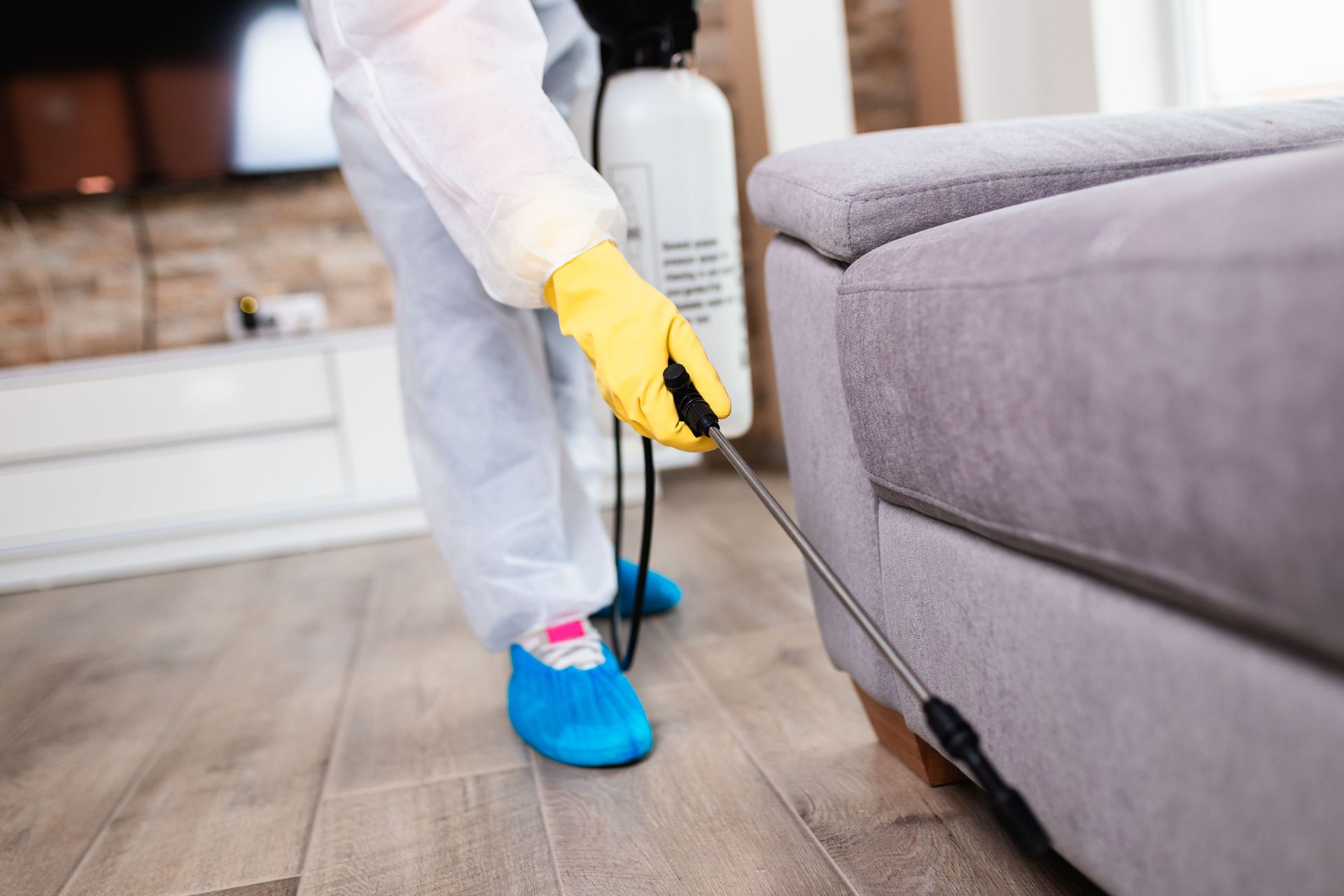
These winged insects take to the air in localized mating flights, frantically searching for optimal, safe locations to establish entirely new colonies. If your home has any subtle vulnerabilities — such as damp, rotting wood around aging window frames, unsealed micro-cracks in the concrete foundation, or overhanging tree branches that provide a direct bridge right to your roof — it instantly becomes a prime target for these newly fertilized queens. Implementing professional ant control during the vulnerable spring months is highly critical. It expertly establishes an invisible, highly potent protective barrier around the exterior perimeter of your property right as these pests are actively seeking out new residential nesting grounds. By systematically neutralizing eager scout workers and airborne swarmers early on, you effectively stop the devastating life cycle directly in its tracks.
Managing Summer Foraging and Extreme Weather
Summer reliably brings peak metabolic activity and maximum geographical expansion for insect populations everywhere. The intense, consistent warm temperatures allow them to move significantly faster, forage much further distances, and reproduce at their absolute maximum capacity. However, the summer season also frequently brings extreme, unpredictable weather conditions that actively drive massive colonies directly indoors.
During brutal periods of intense heat and prolonged drought, natural outdoor water sources evaporate completely, quickly prompting desperate worker insects to march straight into your climate-controlled kitchens and bathrooms in search of life-saving moisture from leaky utility pipes, heavy condensation, and damp sinks. Conversely, sudden, heavy summer thunderstorms can rapidly flood their complex underground nesting networks, forcefully pushing the entire surviving colony to seek higher, dry ground — which usually ends up being the cozy interior of your home. A robust, seasonal approach to ant control directly anticipates these drastic, unavoidable weather fluctuations. Experienced pest professionals proudly use specialized, weather-resistant exterior treatments that reliably hold up against punishing heavy rainfall and intensely degrading UV rays, protecting your home perfectly.
Blocking Fall Migrations into Warm Environments
As the vibrant, sweltering days of summer finally give way to the crisp, rapidly cooling temperatures of autumn, these highly intuitive insects instinctively know that a harsh winter is rapidly approaching. Their primary biological imperative dramatically shifts from aggressive territorial expansion to vital, desperate preservation.
To successfully survive the impending, deadly freeze, massive colonies immediately begin seeking out secure overwintering sites that offer highly consistent warmth, abundant structural shelter, and ironclad protection from the harsh outdoor elements. Unfortunately for homeowners, the heated, insulated envelope of a modern residential home provides the absolute perfect winter sanctuary. These relentless insects will effortlessly exploit any microscopic, overlooked gap around exterior utility pipes, heavily worn door weatherstripping, or slightly settling foundation cracks to covertly move their operations directly into your insulated wall voids, dark crawlspaces, or heated basements. Fall treatments act as a highly crucial, impenetrable blockade against this massive seasonal migration. By rigorously reinforcing liquid chemical barriers and thoroughly identifying structural entry points long before the first deadly frost hits, proactive homeowners can safely lock out these opportunistic invaders.
Maintaining Winter Vigilance Against Hidden Nests
There is a common, dangerous misconception among the general public that problematic insects simply die off permanently or disappear completely on their own during the freezing winter months. In reality, most resilient outdoor species simply enter a deeply suspended state of biological dormancy called diapause, hunkering down safely deep within the insulated soil or underneath massive protective logs until the warm spring thaw finally returns.
However, if a resourceful colony has successfully bypassed your weakened exterior defenses during the autumn migration, they will absolutely not go dormant. Instead, they will remain highly active, constantly foraging all winter long, thriving luxuriously in the artificial, consistent warmth radiating from your home's central HVAC system. Suddenly waking up to a busy trail of foraging workers in the dead middle of freezing January is a crystal-clear, undeniable indicator of a deeply hidden, thriving indoor nest. Maintaining your preventative exterior and interior perimeter even during the colder months ensures that any straggling, desperate colonies attempting late-season entry are swiftly eliminated upon arrival.
Don't wait until you are unexpectedly facing a massive indoor swarm or footing the bill for extensive structural repairs. Contact Pesky Critters, Inc to fortify your perimeter and protect your home today.